

钴(Co,Z = 27):具有战略特性的磁性金属
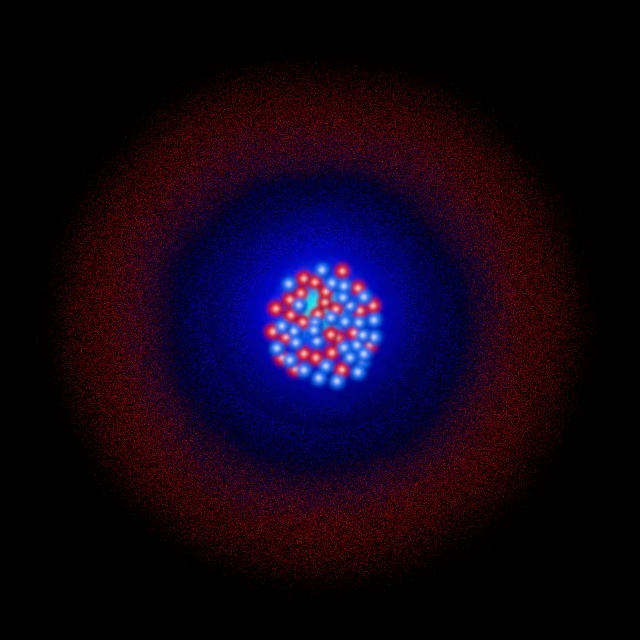
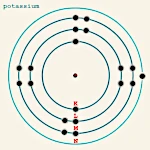
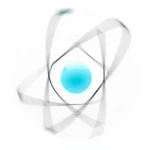
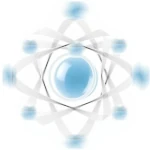
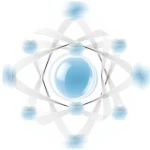
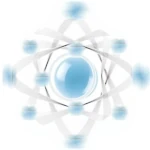
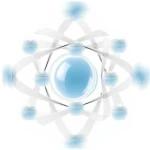
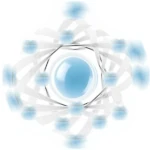
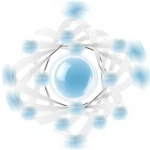
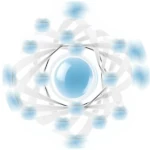
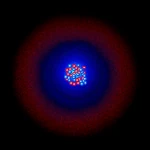
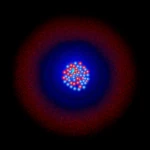
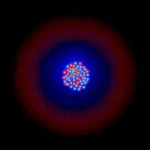
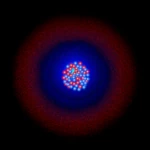
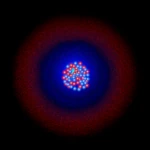
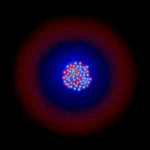
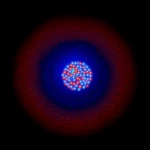
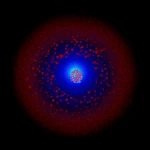
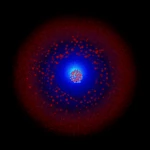
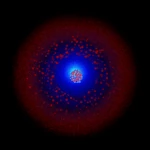
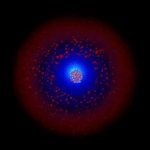
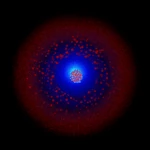
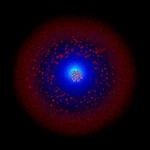
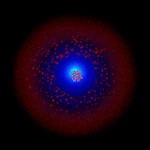
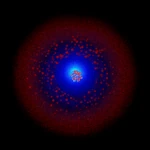
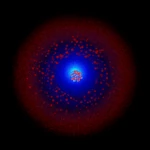
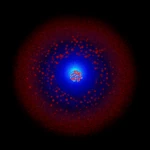
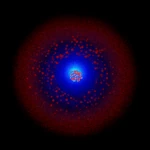
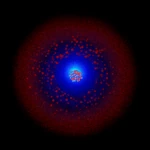
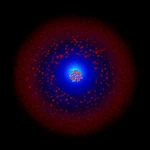
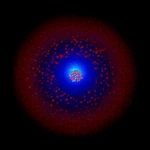
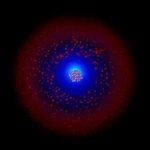
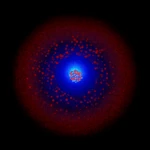
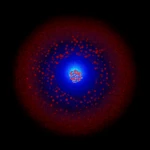
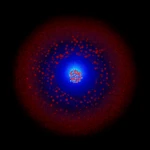
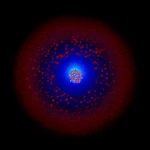
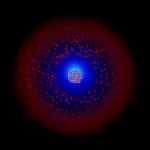
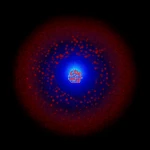
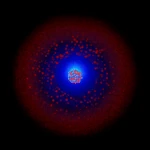
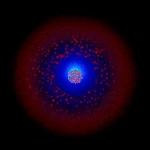
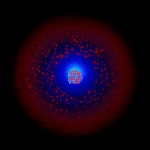
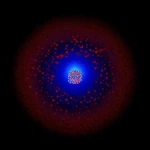
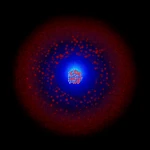
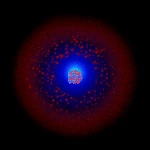
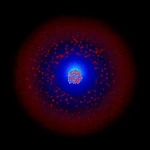
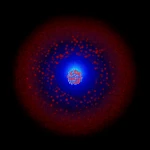
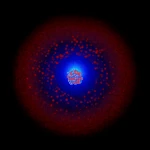
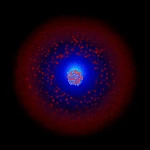
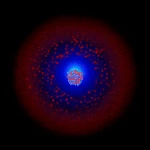
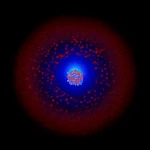
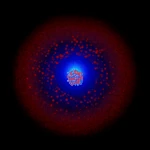
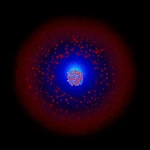
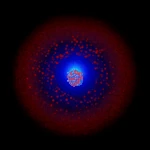
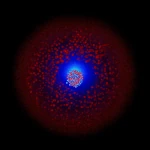
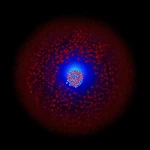
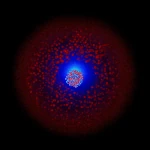
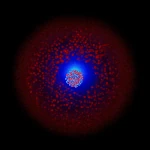
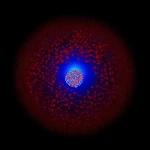
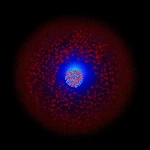
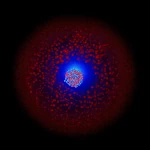
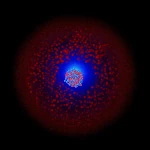
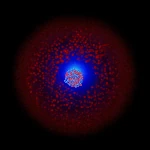
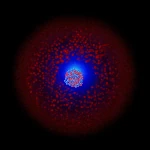
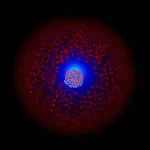
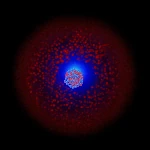
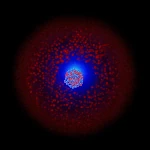
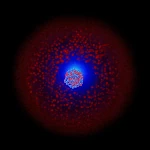
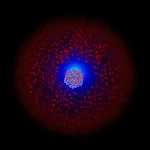
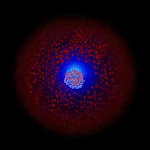
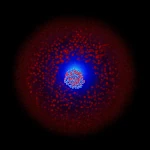
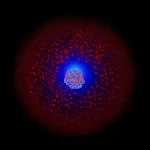
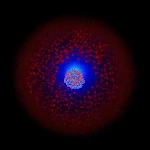
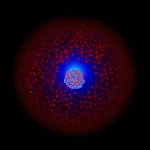
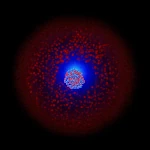
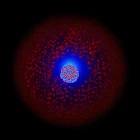
Simplified atomic model of the cobalt atom.
The stable isotope is \(\,^{59}\mathrm{Co}\,\) with 27 protons, 27 electrons, and 32 neutrons.
Image source: astronoo.com (新窗口)
钴的发现历史
Cobalt was identified in 1735 by the Swedish chemist 格奥尔格·布兰特 (1694–1768), making it the first metal discovered through modern scientific methods. Before this discovery, German and Saxon miners used the term 狗头人 (a malevolent spirit in German) to describe certain ores that, when smelted, released toxic arsenic fumes and did not yield the expected copper. Brandt demonstrated that these ores contained a distinct metallic element, which he named 钴 in reference to these spirits. Cobalt had been used since antiquity to color glass an intense blue, particularly in Egypt and Persia, long before its chemical nature was understood. Brandt's discovery marked an important step in the development of analytical chemistry.
结构与基本性质
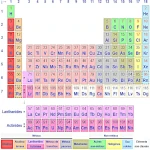
Cobalt (symbol Co, atomic number 27) is a transition metal in group 9 of the periodic table.
Its atom has 27 protons, usually 32 neutrons (for the stable isotope \(\,^{59}\mathrm{Co}\)) and 27 electrons with the electronic configuration [Ar] 3d⁷ 4s².
At room temperature, cobalt is a shiny silver-gray solid metal, relatively dense (density ≈ 8.90 g/cm³).
It exhibits exceptional ferromagnetic properties, similar to iron and nickel, retaining its magnetism up to 1,115 °C (Curie temperature).
Cobalt has good resistance to corrosion and oxidation due to the formation of a protective oxide layer on its surface.
The melting point of cobalt (liquid state): 1,768 K (1,495 °C).
The boiling point of cobalt (gaseous state): 3,200 K (2,927 °C).
钴同位素表
| 同位素 / 符号 | 质子(Z) | 中子(N) | 原子质量(u) | 天然丰度 | 半衰期/稳定性 | 衰变 / 备注 |
|---|---|---|---|---|---|---|
| 钴-59 — \(\,^{59}\mathrm{Co}\,\) | 27 | 32 | 58.933195 u | 100% | 稳定的 | 天然钴的唯一稳定同位素;单同位素。 |
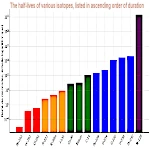
| 钴-60 — \(\,^{60}\mathrm{Co}\,\) | 27 | 33 | 59.933817 u | 合成 | ≈ 5.27年 | 放射性,β⁻衰变为\(\,^{60}\mathrm{Ni}\)。释放强伽马射线;用于放射治疗、灭菌和年代测定。 |
| 钴-57 — \(\,^{57}\mathrm{Co}\,\) | 27 | 30 | 56.936291 u | 合成 | 约271.8天 | 放射性,电子捕获至\(\,^{57}\mathrm{Fe}\)。用于核医学及作为校准源。 |
| 钴-56 — \(\,^{56}\mathrm{Co}\,\) | 27 | 29 | 55.939839 u | 宇宙痕迹 | ≈ 77.27 天 | 放射性,电子捕获至\(\,^{56}\mathrm{Fe}\)。产生于Ia型超新星;是天体物理学中的重要示踪剂。 |
| 钴-58 — \(\,^{58}\mathrm{Co}\,\) | 27 | 31 | 57.935753 u | 合成 | ≈ 70.86 天 | 放射性,电子捕获生成\(\,^{58}\mathrm{Fe}\)。用于医学和工业研究。 |
钴的电子排布与电子壳层
注::
Electron shells: 电子如何围绕原子核组织 (新窗口).
钴有27个电子,分布在四个电子壳层中。其完整电子排布为:1s² 2s² 2p⁶ 3s² 3p⁶ 3d⁷ 4s², 或简写为:[Ar] 3d⁷ 4s²。该排布也可写作:K(2) L(8) M(15) N(2)。
壳层的详细结构
K壳层(n=1): contains 2 electrons in the 1s subshell. This inner shell is complete and very stable.
L壳层 (n=2): contains 8 electrons distributed as 2s² 2p⁶. This shell is also complete, forming a noble gas configuration (neon).
M壳层(n=3): contains 15 electrons distributed as 3s² 3p⁶ 3d⁷. The 3s and 3p orbitals are complete, while the 3d orbitals contain 7 out of 10 possible electrons.
N壳层(n=4): contains 2 electrons in the 4s subshell. These electrons are the first to be involved in chemical bonding.
价电子与氧化态
The 9 electrons in the outer shells (3d⁷ 4s²) constitute the 价电子 of cobalt. This configuration explains its chemical and magnetic properties:
By losing the 2 4s electrons, cobalt forms the Co²⁺ ion (oxidation state +2), the most common state.
By losing the 2 4s electrons and 1 3d electron, it forms the Co³⁺ ion (oxidation state +3), which is also very stable.
Less common oxidation states (+1, +4) exist in some organometallic compounds or coordination complexes.
化学反应活性
钴是一种中等活性的金属。在室温下,由于表面形成保护性氧化层,它在干燥空气中相对稳定。 高温下,钴与氧气反应生成钴的氧化物(CoO、Co₃O₄),还能与硫、氯及其他卤素发生反应。 钴主要形成+2和+3氧化态的化合物。二价钴化合物通常呈粉红色或蓝色,而三价钴化合物常为橙色或黄色。 金属钴会被稀酸缓慢侵蚀并释放氢气,但对碱的耐受性更强。 它能形成许多极其稳定的配位络合物,其中一些在生物体中发挥关键作用,例如维生素B₁₂(钴胺素)。
钴的工业与技术应用
- 在锂离子电池(手机、笔记本电脑、电动汽车)中作为LiCoO₂正极的组成部分;
- 用于制造飞机涡轮和喷气发动机中的耐高温超级合金;
- 作为一种蓝色颜料(钴蓝),自古就被用于陶瓷、瓷器、油漆和玻璃中;
- 在制造用于电机和发电机的超强永磁体(钴钐合金、铝镍钴合金)过程中;
- 作为石油炼制(加氢脱硫)和化学合成(费托合成)中的催化剂;
- 在核医学中:钴-60用于癌症放射治疗和医疗设备灭菌;
- 用于加工硬质金属的碳化钨-钴切削刀具中;
- 用于防腐蚀涂层和保护性电解沉积层;
- 在牙科合金和骨科假体(钴铬合金)中;
- 作为油漆、清漆和印刷油墨中的干燥剂(催干剂);
- 在动物营养中作为饲料添加剂(维生素B12来源);
- 在磁性传感器和硬盘的读写磁头中;
- 用于轮胎制造(橡胶与钢材的粘合);
- 在光伏电池和新型储能设备中;
- 作为生物和医学研究中的放射性示踪剂(钴-57、钴-58)。
在天体物理学和宇宙学中的作用
钴主要通过超新星爆发过程中的多种核合成方式生成。放射性同位素\(\,^{56}\mathrm{Co}\)(半衰期77.3天)在Ia型超新星的光辐射中起着关键作用。它由爆炸中产生的镍-56衰变形成,其自身衰变为铁-56的过程为这类超新星持续数月的特征光变曲线提供能量。这一特征被用于校准宇宙距离并研究宇宙膨胀。
钴-60虽然在太空中罕见,但在一些超新星遗迹中被探测到,为研究这些爆炸期间的极端物理条件提供了信息。恒星和陨石中稳定钴的丰度帮助天体物理学家追溯星系核合成的历史。钴的光谱线在恒星大气中被观测到,可用于确定演化恒星的化学成分和物理条件。
注意::
Cobalt is relatively rare in the Earth's crust (about 0.0025% by mass), ranking 32nd in elemental abundance.
It is mainly extracted as a byproduct of copper and nickel mining, particularly in the Democratic Republic of Congo (which produces over 70% of the world's cobalt), Australia, Canada, and Russia.
The main ores are cobaltite (CoAsS), erythrite (Co₃(AsO₄)₂·8H₂O), and smaltite (CoAs₂).
The growing demand for cobalt in electric vehicle batteries raises geopolitical and environmental concerns, stimulating research into alternative technologies and effective recycling methods.
 核聚变所需的能量以及为什么铀是一个极限
 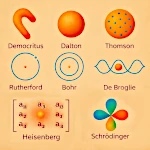 原子的各种形态:从古代直觉到量子力学