

氦(He,Z = 2):一种具有非凡特性的稀有气体

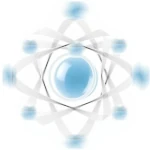
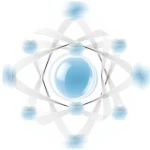
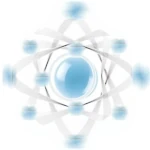
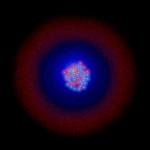
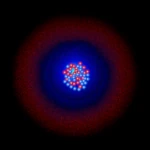
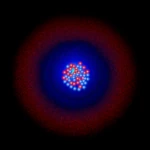
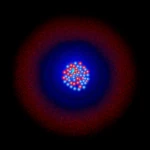
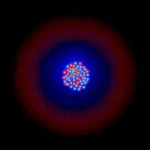
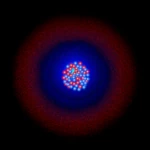
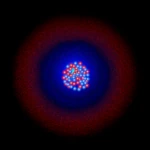
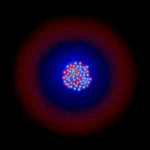
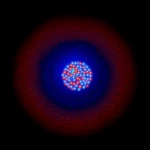
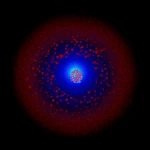
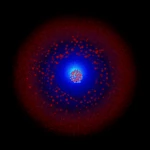
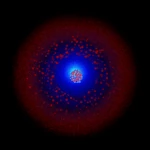
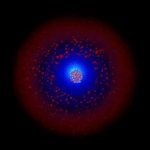
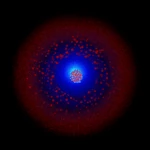
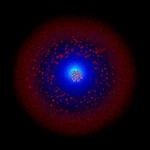
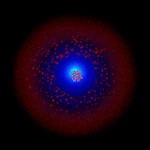
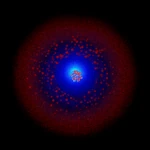
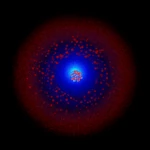
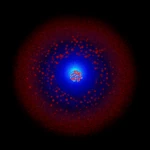
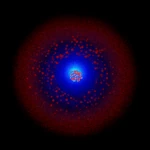
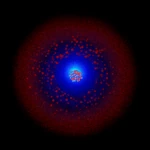
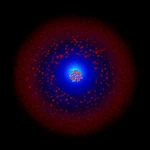
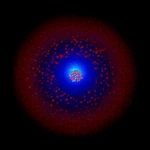
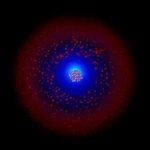
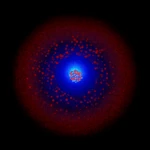
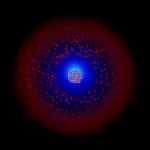
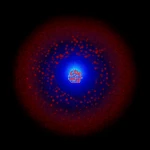
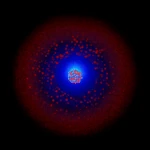
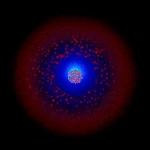
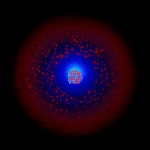
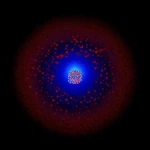
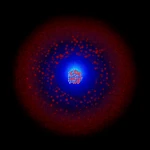
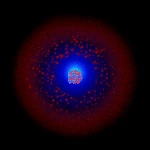
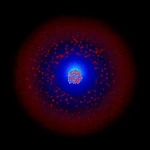
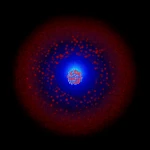
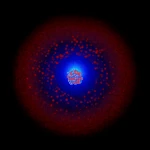
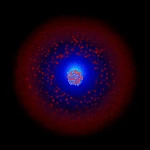
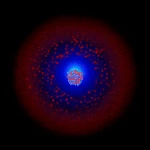
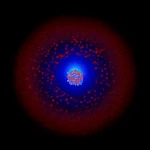
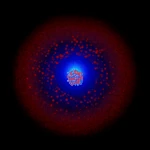
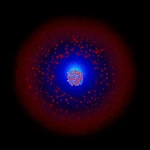
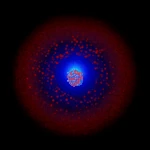
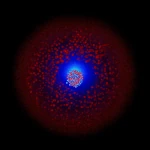
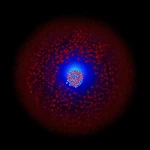
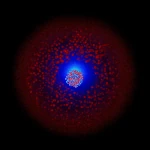
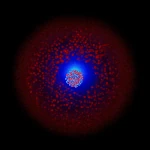
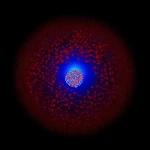
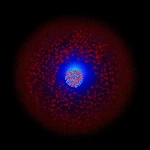
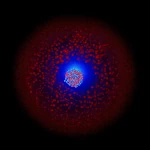
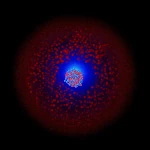
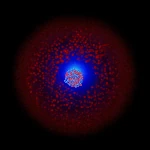
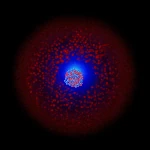
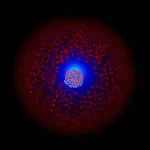
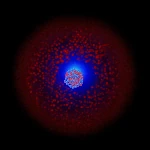
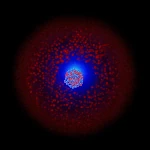
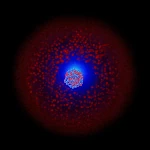
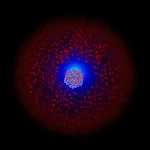
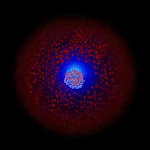
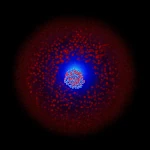
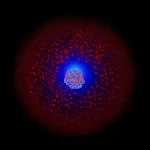
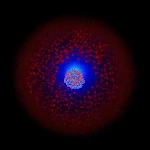
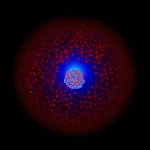
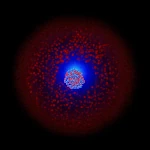
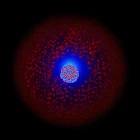
Simplified atomic model of the helium atom with its two protons and two electrons.
Image source: astronoo.com (新窗口)
氦气的发现历史
Helium has the particularity of having been discovered in the Sun before being found on Earth. In 1868, during a solar eclipse, the French astronomer 皮埃尔·让森 (1824-1907) observed an unknown yellow line in the solar spectrum. The same year, the British astronomer 诺曼·洛克耶 (1836-1920) identified this line and proposed that it belonged to a new element, which he named 氦 (from the Greek 太阳神 = sun). It was not until 1895 that the Swedish chemist 佩尔·特奥多尔·克莱夫 (1840-1905) and independently 威廉·拉姆齐 (1852-1916) isolated helium on Earth from cleveite, a radioactive mineral.
结构与基本性质
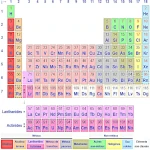
Helium (symbol He, atomic number 2) is the first noble gas in the periodic table, consisting of two protons, two neutrons (for the most common isotope), and two electrons.
The two main stable isotopes are helium-4 \(\,^{4}\mathrm{He}\) (≈ 99.999863%) and helium-3 \(\,^{3}\mathrm{He}\) (≈ 0.000137%).
At room temperature, helium is a monatomic gas (He), extremely light (density ≈ 0.1785 g/L), colorless, odorless, and completely chemically inert.
The temperature at which the liquid and solid states can coexist (melting point): 0.95 K (−272.20 °C) at 2.5 MPa (helium does not solidify at atmospheric pressure).
The temperature at which it transitions from liquid to gas (boiling point): 4.222 K (−268.928 °C) at atmospheric pressure.
氦同位素表
| 同位素 / 符号 | 质子(Z) | 中子(N) | 原子质量(u) | 天然丰度 | 半衰期/稳定性 | 衰变 / 备注 |
|---|---|---|---|---|---|---|
| 氦-3 — \(\,^{3}\mathrm{He}\,\) | 2 | 1 | 3.016029 u | ≈ 0.000137% | 稳定 | 地球上稀有,太空中更丰富;用于低温学和聚变研究。 |
| 氦-4 — \(\,^{4}\mathrm{He}\,\) | 2 | 2 | 4.002603 u | ≈ 99.999863% | 稳定 | 主要同位素;放射性衰变过程中发射的α核;在2.17 K以下变为超流体。 |
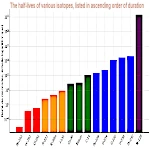
| 氦-5 — \(\,^{5}\mathrm{He}\,\) | 2 | 3 | 5.012057 u | 非自然的 | ≈ 7 × 10⁻²² 秒 | 极不稳定;迅速衰变为\(\,^{4}\mathrm{He}\) + 中子。 |
| 氦-6 — \(\,^{6}\mathrm{He}\,\) | 2 | 4 | 6.018889 u | 非自然的 | 0.807秒 | 放射性β⁻衰变生成⁶Li;在实验室中人工产生。 |
| 较重的同位素——\(\,^{7}\mathrm{He},\,^{8}\mathrm{He},\,^{10}\mathrm{He}\) | 2 | 5 — 8 | —(共鸣) | 非自然的 | \(10^{-21}\) — 0.003秒 | 核物理中观察到极不稳定的状态;通过中子发射衰变。 |
电子构型与电子层
注意::
Electron shells: 电子如何围绕原子核组织 (新窗口).
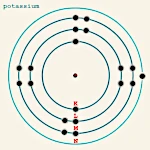
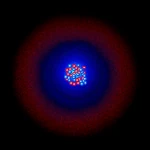
氦有2个电子分布在一个电子壳层中。其完整电子排布为:1s²,也可写作:K(2)。氦是唯一具有单个完整电子壳层的稳定元素。
壳层的详细结构
K壳层(n=1): Contains 2 electrons in the 1s sub-shell. This single shell is complete and saturated, as the first shell can hold a maximum of 2 electrons. This configuration represents the most stable energy state possible for 2 electrons.
价电子与氧化态
Helium has 2 electrons in its single shell, forming a 饱和电子构型. This configuration explains its exceptional chemical properties:
Helium neither loses nor gains electrons under any conditions, which explains the total absence of oxidation states.
The complete valence shell gives helium absolute chemical inertness, hence its classification among the noble gases (or rare gases).
No helium chemical compound has ever been synthesized, even under extreme laboratory conditions. Helium is the most inert of all chemical elements, surpassing even neon.
氦的电子构型具有单一完整的2电子壳层,使其成为元素周期表中最稳定、最惰性的元素。这种结构赋予其独特的特性:绝对的化学惰性(氦不形成任何化合物,也不与任何元素反应)、所有元素中最高的电离能(几乎不可能移除电子)、所有元素中最低的沸点(4.2开尔文或零下269摄氏度),并且是唯一在大气压下即使达到绝对零度也无法固化的元素。
氦代表两个电子的最稳定能量状态。其电子构型作为描述元素周期表第二周期元素的参考基准。许多离子通过失去电子(如Li⁺、Be²⁺)来达到这种稳定的[He]构型。
氦气的重要性完全源于其独特的物理性质:液态氦是终极低温流体,用于冷却核磁共振成像仪中的超导磁体、大型强子对撞机等粒子加速器以及超导研究领域;氦气因其密度低(仅次于氢的第二轻元素)且不可燃的特性,被用于充灌气球和飞艇;在电弧焊接中作为活性金属的保护气体;用于深潜呼吸混合气(氦氧混合气),因其在血液中的溶解度低于氮气,可降低麻醉和减压病风险;在气相色谱分析中用作载气;凭借极小的原子尺寸,氦气还用于检测真空系统的泄漏。氦是宇宙中仅次于氢的第二丰富元素,通过恒星核聚变产生,但在地球上相对稀少——因其质量极轻,容易逸出地球大气层。地球上的氦储量来自地壳中天然放射性衰变,被封存在特定天然气矿床中,使其成为不可再生的战略性资源。
化学反应活性
氦是典型的惰性气体:其外层电子壳层已满,因此化学性质极不活泼。在正常条件下,它几乎不形成任何稳定的化学键。即使在高压低温环境中,氦仍抗拒形成化合物。这种完全惰性使氦成为所有元素中最稳定、最不易发生反应的元素。不过,氦可被包裹在复杂分子结构(包合物)中,或形成如HeH⁺(氦合氢离子)这类短暂存在的离子分子——后者已在星际介质中被探测到。
氦气的工业与技术应用
- 用于冷却MRI(磁共振成像)设备中的超导磁体;
- 在CERN的粒子加速器和探测器中用于维持低温;
- 作为大气气球和飞艇的升力气体,因为它轻且不易燃;
- 在深海潜水中,与氧气混合以避免氮麻醉;
- 作为气相色谱中的载气,用于分析化合物;
- 在焊接活性金属(钛、铝)时创造惰性气氛;
- 在泄漏检测中,由于其原子尺寸小,能够穿过微裂纹;
- 在极低温度下超流性与量子现象的基础研究
- 在航天工业中用于清洗和加压火箭燃料箱;
- 在极高温度下制造光纤时对其进行冷却;
- 在半导体生产中,用于在晶体生长过程中营造受控气氛;
- 在质谱分析中提高分析的灵敏度和分辨率;
- 作为某些核反应堆设计中的冷却气体;
- 在受控核聚变研究中,特别是涉及氦-3同位素的研究。
在天体物理学和宇宙学中的作用
氦约占宇宙重子质量的24%,是仅次于氢的第二丰富元素。 它在宇宙大爆炸后几分钟的原始核合成过程中被大量合成。 在恒星中,氦是氢聚变的主要产物。当恒星核心的氢耗尽后,氦聚变在超过1亿开尔文的温度下启动,通过三α过程产生碳和氧。
宇宙中氦的丰度是大爆炸模型的重要证据之一。精确测量氦氢比有助于约束宇宙学参数,并检验早期宇宙演化理论。氦-3虽然在地球上罕见,但在太阳风和月球表面含量可观,未来或可被开采作为核聚变燃料。
液氦,特别是温度低于2.17 K(λ点)的氦-4,会变成超流体:它流动时完全没有黏性,甚至能沿容器壁向上攀爬。这种壮观的现象展示了宏观尺度上的量子效应,彻底改变了我们对凝聚态物质的理解。
注意::
Helium is a 不可再生资源 on Earth.
It is produced naturally by the radioactive decay of uranium and thorium in the Earth's crust, then trapped in certain natural gas deposits.
Once released into the atmosphere, helium is so light that it escapes Earth's gravity and is lost to space.
Current helium consumption far exceeds its natural production, raising concerns about its future availability for critical applications in medicine and scientific research.
 核聚变所需的能量以及为什么铀是一个极限
 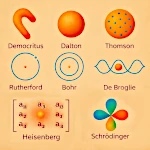 原子的各种形态:从古代直觉到量子力学