

镉(Cd,Z=48):镍镉电池中备受争议的金属
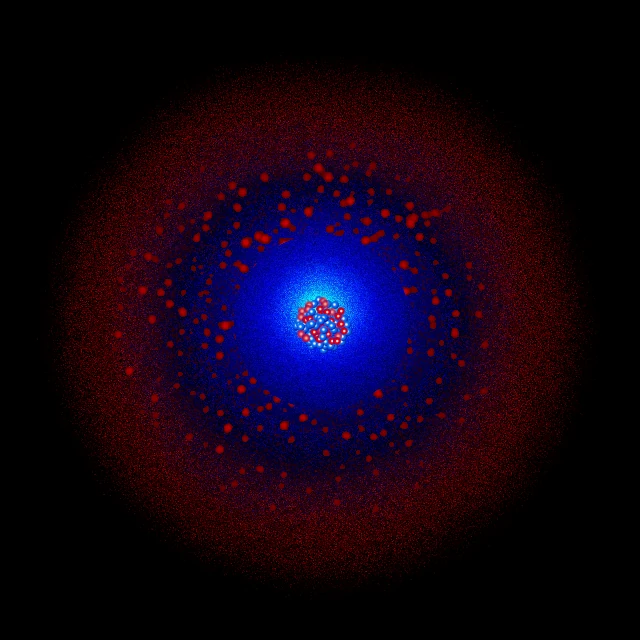
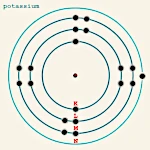
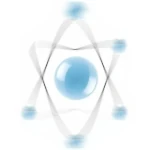
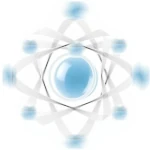
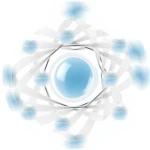
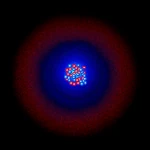
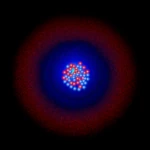
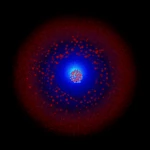
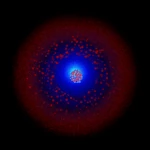
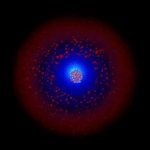
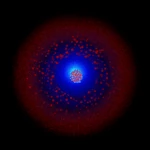
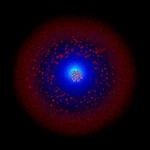
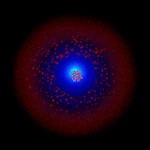
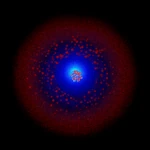
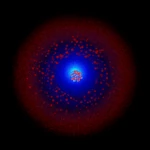
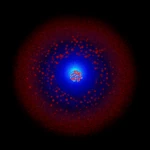
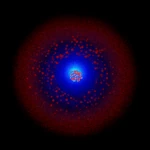
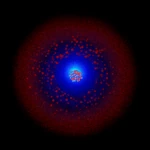
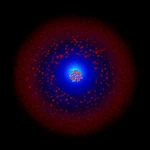
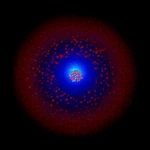
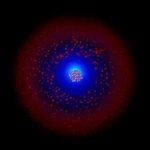
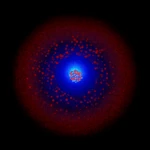
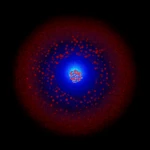
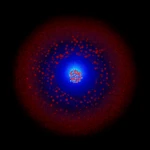
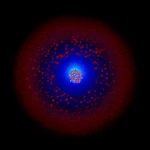
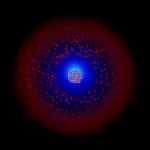
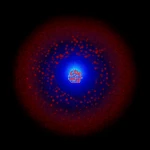
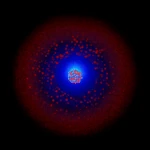
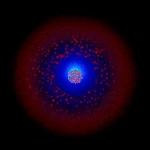
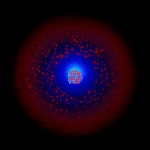
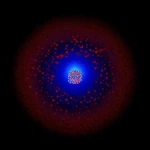
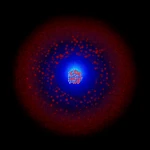
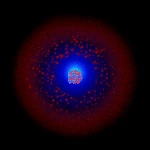
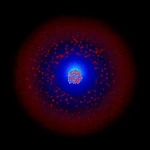
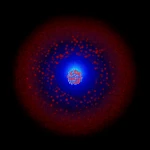
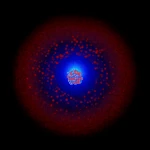
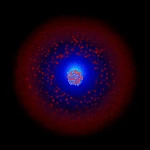
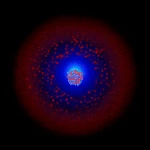
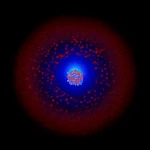
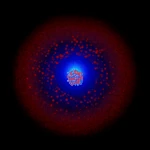
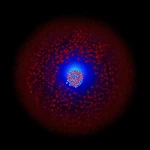
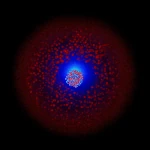
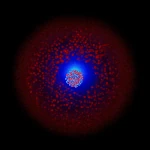
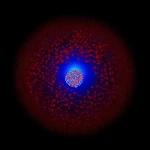
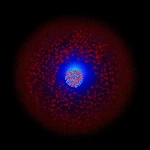
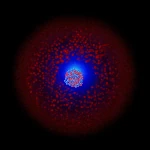
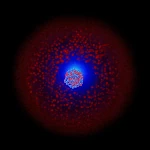
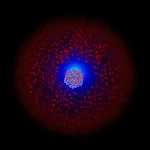
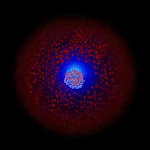
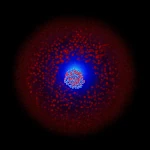
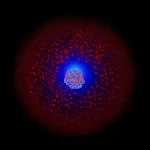
Image description: Simplified atomic model of the cadmium atom. The most abundant isotope is \(\,^{114}\mathrm{Cd}\,\)
with its 48 protons, 48 electrons, and 66 neutrons.
Image source:
astronoo.com (新窗口)
镉的发现历史
Cadmium was discovered in 1817 almost simultaneously by two chemists working independently on zinc carbonate. The German chemist 弗里德里希·斯特罗迈耶 (1776-1835), inspector of pharmacies in the Kingdom of Hanover, analyzed impure zinc carbonate samples that turned yellow upon heating instead of turning white as expected. He succeeded in isolating a new metal, which he named 镉 from the Latin 炉甘石, the ancient name for calamine (zinc carbonate), itself derived from the Greek 卡德米亚.
Almost simultaneously, the German chemist 卡尔·萨穆埃尔·莱贝雷希特·赫尔曼 (1765-1846) also discovered cadmium in zinc ores from Silesia, and the French chemist 奥古斯特-阿尔芒·德·拉里夫 independently identified it shortly afterward. However, Stromeyer published his results first and received official recognition for the discovery.
镉在近一个世纪的时间里一直只是实验室中的新奇之物。直到20世纪初,其工业应用才得以开发,最初用作颜料(镉黄和镉红),随后用于电镀作为防腐蚀涂层,最终在20世纪50年代应用于镍镉电池。
结构与基本性质
镉(符号Cd,原子序数48)是元素周期表第12族中的过渡金属,与锌和汞同族。其原子含有48个质子,通常有66个中子(对应最丰富的同位素\(\,^{114}\mathrm{Cd}\)),以及48个电子,电子构型为[Kr] 4d¹⁰ 5s²。
镉是一种有光泽的银白色金属,略带蓝色调,外观与锌相似。其密度为8.65克/立方厘米,属于中等重量的金属。在室温下,镉以六方密堆积(hcp)结构结晶。它质地柔软、具有延展性和可塑性,可用刀轻松切割并轧制成薄片。
Cadmium melts at 321°C (594 K) and boils at 767°C (1040 K). These relatively low temperatures facilitate its metallurgical processing. Cadmium has remarkable corrosion resistance in many environments, even superior to zinc in certain conditions (marine and alkaline atmospheres). This property was historically exploited for protective coatings.
镉的一个独特性质是其异常高的中子俘获截面(热中子约为2500靶恩),使其成为极佳的中子吸收体。这一特性被应用于核反应堆的控制棒中,以调节链式反应。
Melting point of cadmium: 594 K (321 °C).
Boiling point of cadmium: 1040 K (767 °C).
Cadmium has a very high neutron capture cross-section (2500 barns).
镉同位素表
| 同位素 / 符号 | 质子(Z) | 中子(N) | 原子质量(u) | 天然丰度 | 半衰期/稳定性 | 衰变 / 备注 |
|---|---|---|---|---|---|---|
| 镉-106 — \(\,^{106}\mathrm{Cd}\,\) | 48 | 58 | 105.906459 u | ≈ 1.25% | 稳定 | 天然镉中最轻、最稀有的稳定同位素。 |
| 镉-108 — \(\,^{108}\mathrm{Cd}\,\) | 48 | 60 | 107.904184 u | ≈ 0.89% | 稳定的 | 天然镉中第二稀有的稳定同位素。 |
| 镉-110 — \(\,^{110}\mathrm{Cd}\,\) | 48 | 62 | 109.903002 u | ≈ 12.49% | 稳定 | 天然镉中第三丰富的稳定同位素。 |
| 镉-111 — \(\,^{111}\mathrm{Cd}\,\) | 48 | 63 | 110.904178 u | ≈ 12.80% | 稳定的 | 第四丰富的稳定同位素。具有用于核磁共振的核自旋。 |
| 镉-112 — \(\,^{112}\mathrm{Cd}\,\) | 48 | 64 | 111.902757 u | ≈ 24.13% | 稳定 | 镉的第二丰富同位素,占总量的近四分之一。 |
| 镉-113 — \(\,^{113}\mathrm{Cd}\,\) | 48 | 65 | 112.904402 u | ≈ 12.22% | ≈ 8.04 × 10¹⁵ 年 | 放射性(β⁻)。半衰期极长,被视为准稳定。中子俘获截面创纪录。 |
| 镉-114 — \(\,^{114}\mathrm{Cd}\,\) | 48 | 66 | 113.903358 u | ≈ 28.73% | 稳定 | 镉的最丰富同位素,占总量的四分之一以上。 |
| 镉-116 —— \(\,^{116}\mathrm{Cd}\,\) | 48 | 68 | 115.904756 u | ≈ 7.49% | ≈ 3.0 × 10¹⁹ 年 | 放射性(β⁻β⁻)。极其缓慢的双β衰变,被视为准稳定态。 |
镉的电子排布与电子层
注意::
Electron shells:
电子如何围绕原子核组织 (新窗口).
镉有48个电子,分布在五个电子壳层上。其完整电子排布为:1s² 2s² 2p⁶ 3s² 3p⁶ 3d¹⁰ 4s² 4p⁶ 4d¹⁰ 5s²,或简写为:[Kr] 4d¹⁰ 5s²。该排布也可写作:K(2) L(8) M(18) N(18) O(2)。
壳层的详细结构
K壳层 (n=1): contains 2 electrons in the 1s subshell. This inner shell is complete and very stable.
L壳层(n=2): contains 8 electrons distributed as 2s² 2p⁶. This shell is also complete, forming a noble gas configuration (neon).
M壳层 (n=3): contains 18 electrons distributed as 3s² 3p⁶ 3d¹⁰. This complete shell contributes to the electronic screen.
N壳层(n=4): contains 18 electrons distributed as 4s² 4p⁶ 4d¹⁰. The complete 4d subshell is particularly stable.
O壳层(n=5): contains 2 electrons in the 5s subshell. These two electrons are the valence electrons of cadmium.
价电子与氧化态
Cadmium has 2 价电子 in its 5s² subshell. The most common and practically exclusive oxidation state is +2, where cadmium loses its two 5s electrons to form the Cd²⁺ ion with the configuration [Kr] 4d¹⁰, which is extremely stable with the complete d subshell.
+2价态完全主导了镉的化学性质,并出现在其所有重要化合物中:氧化镉(CdO)、氯化镉(CdCl₂)、硫化镉(CdS)以及无数配位化合物。+1和0氧化态极为罕见,仅存在于少数高度特殊且不稳定的化合物中。金属镉对应氧化态0。
化学反应活性
金属镉在室温干燥空气中相对稳定,会缓慢形成一层保护性氧化膜。在潮湿空气或二氧化碳存在下,其表面会更快失去光泽,生成碱式碳酸盐。高温(超过300°C)时,镉在空气中燃烧,产生特征性的黄褐色火焰,生成褐色氧化镉:2Cd + O₂ → 2CdO。
镉与稀酸缓慢反应生成镉(II)盐并释放氢气:Cd + 2HCl → CdCl₂ + H₂。它在氧化性酸(如硝酸)中溶解更快:3Cd + 8HNO₃ → 3Cd(NO₃)₂ + 2NO + 4H₂O。镉还能与卤素反应生成镉(II)卤化物。
硫化镉(CdS)是一种特别重要的化合物,不溶于水且呈亮黄色。历史上曾被用作艺术颜料中的色素(镉黄)。硒化镉(CdSe)在光电子学中同样重要,可作为太阳能电池和量子点的半导体材料。
镉的毒性与危害
镉是毒性最强的重金属之一。它没有已知的有益生物学作用,对人类、动物和植物具有高毒性。接触镉主要通过吸入烟雾和粉尘(工业、吸烟)以及摄入(受污染的食物、水)发生。
镉会在体内蓄积,主要分布在肾脏和肝脏,生物半衰期为10至30年。长期接触会导致严重且不可逆的肾脏损伤(肾小管功能障碍)、骨软化症(骨骼软化)和骨质疏松症。国际癌症研究机构(IARC)将镉列为明确致癌物,主要引发肺癌。
日本痛痛病于20世纪50年代被发现,由矿山污染水源灌溉稻田导致慢性镉中毒引发。该病引发剧烈骨痛、多发性骨折和肾衰竭。这场健康悲剧提高了全球对镉毒性的认识。
由于其毒性,镉的使用在许多国家现已受到严格管制。欧盟已禁止在大多数应用中使用镉(RoHS指令),仅对少数尚无可行替代品的关键应用予以豁免。职业接触限值极为严格(8小时内0.01毫克/立方米)。
镉的工业与技术应用
- 在镍镉(Ni-Cd)可充电电池中,现已逐渐减少(自2009年起在欧盟被禁止);
- 作为黄色、橙色和红色颜料用于油漆、塑料和玻璃(用途非常有限);
- 用于航空航天和军事应用(关键应用)中的电镀防腐蚀涂层
- 在核反应堆的控制棒中(镉-铟-银合金)用作中子吸收剂;
- 在光伏领域,用于薄膜碲化镉(CdTe)太阳能电池;
- 作为聚氯乙烯塑料中的热稳定剂(在欧盟禁止使用);
- 在低熔点合金中用于保险丝、焊料和消防安全系统;
- 用于彩色阴极射线管中的荧光粉(红、绿、蓝)——历史应用;
- 用于辐射探测器的半导体材料(CdZnTe、CdTe)
- 如量子点(CdSe量子点)用于QLED屏幕和生物医学成像;
- 在某些用于高温应用的特殊焊料合金中。
镍镉电池:一项技术的衰落
镍镉(Ni-Cd)电池在数十年间(1950-2000年)曾是便携式可充电电池的主导技术。它由瑞典人瓦尔德马尔·容纳于1899年发明,在20世纪80至90年代达到顶峰,广泛应用于电动工具、无绳电话、玩具及专业领域。
镍镉电池有几个优点:出色的耐用性(高达1000次充电循环)、低温性能、高放电率以及适中的成本。然而,它们存在记忆效应(如果在完全放电前充电会导致容量损失)、能量密度较低(40-60瓦时/千克),最重要的是,镉具有毒性。
20世纪90年代镍氢电池的出现,以及21世纪初锂离子电池的普及,加之日益增强的环保意识,导致镍镉电池迅速衰落。欧盟于2009年(指令2006/66/EC)禁止了便携式镍镉电池的使用,但关键领域(如急救医疗设备、应急照明、专业工具)除外。
如今,镍镉电池仅占可充电电池市场的极小份额,局限于少数特定领域(航空、铁路、备用系统)。自20世纪90年代达到峰值以来,全球电池用镉的需求已下降超过80%。
在天体物理学和宇宙学中的作用
Cadmium is synthesized in stars mainly through the s-过程 (slow neutron capture) in asymptotic giant branch (AGB) stars, with contributions from the r-process (rapid neutron capture) during supernovae and neutron star mergers. The eight natural isotopes of cadmium reflect the contributions of these different processes.
镉在宇宙中的丰度(按原子数量计)约为氢的1.6×10⁻⁹倍。这种重元素相对较高的丰度可归因于质量数A≈110-116区域的特殊核稳定性,该区域存在多个幻数或半幻数同位素。
原始陨石中镉的同位素变化提供了关于太阳星云非均匀性以及s过程和r过程相对贡献的信息。一些陨石显示出富中子镉同位素的异常,表明r过程物质的贡献存在变化。
中性镉(Cd I)和电离镉(Cd II)的光谱线可在某些冷星和巨星的光谱中观测到。对这些谱线的分析可测定镉的丰度,并追溯星系在演化过程中的化学富集过程。
注意::
Cadmium is present in the Earth's crust at an average concentration of about 0.15 ppm, making it relatively rare, about 1000 times rarer than zinc. Cadmium does not form its own economically exploitable ores but is always associated with zinc in sphalerite ores (zinc sulfide), with typical concentrations of 0.1 to 0.5% cadmium.
全球镉年产量约为2.5万吨,完全作为锌精炼的副产品产出。中国占全球总产量的约80%,其次是韩国、日本、哈萨克斯坦和加拿大。镉是从锌焙烧和电解过程中产生的烟尘和残渣中回收的。
自20世纪90年代以来,由于监管限制和镍镉电池的衰退,镉的需求大幅下降。目前主要应用领域是航空航天和军事领域的防腐涂层(约占需求的30%),其次是颜料(25%,呈下降趋势)、电池(20%,快速下降)以及碲化镉太阳能电池板(15%,呈增长趋势)。镉的回收利用十分重要,约占供应量的20%。
 核聚变所需的能量以及为什么铀是一个极限
 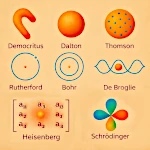 原子的各种形态:从古代直觉到量子力学