


Volcanoes and supervolcanoes of Earth
A planet shaped by internal fire
Earth has about 1,500 active terrestrial volcanoes, of which about sixty erupt each year. These structures, whether underwater or on land, bear witness to our planet's internal activity: heat from the mantle brings magma upward, which pierces the crust and builds volcanic landforms over time.
Phenomena capable of disrupting the climate
Volcanoes can cause major climate disruptions. During certain eruptions, immense quantities of ash and aerosols are projected into the atmosphere, reflecting sunlight and causing temporary global cooling. Supervolcanoes, much rarer, are capable of releasing colossal energy that could durably affect Earth's environment.
Complex structures formed by the accumulation of materials
A volcano forms through the ejection and accumulation of materials from rising magma: lava flows, ash, lapilli, and other tephra. The nature of these materials, their viscosity, and their emission style determine the shape of the volcano, whether a steep cone, a broad shield, or a caldera resulting from a spectacular collapse.
There are articles on this page
 Overview of European Volcanoes: From Etna to Vesuvius
  Overview of African Volcanoes: From Kilimanjaro to Nyiragongo
  Overview of North American Volcanoes: From Mount Saint Helens to Popocatépetl
  Overview of South American Volcanoes: From Aconcagua to Cotopaxi
 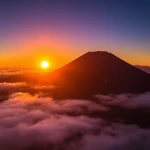 Overview of Asian Volcanoes: From Fuji to Krakatoa
  Overview of Oceania's Volcanoes: From Indonesia to New Zealand
  Global Overview of Volcanoes: A World Tour of Fire Giants
 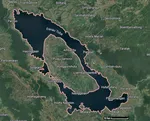 The Toba Super Eruption: Decades of Climatic Chaos
 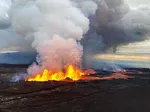 Mauna Loa is the largest volcano in the world!
 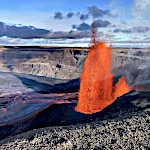 Earth's Great Volcanoes: Red Fury, Gray Silence
 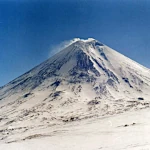 Volcanoes of Kamchatka: The Realm of Icy Volcanoes
 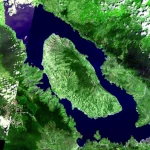 The Titans of Fire: Origin, Power, and Risks of Supervolcanoes
 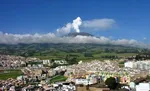 Active Volcanoes of Colombia: Between Natural Beauty and Eruptive Risks
 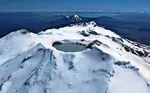 New Zealand's Volcanoes: A Natural Laboratory for Plate Tectonics
 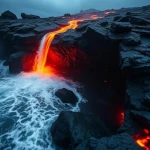 Volcanoes and the Origin of Life: When Fire and Water Spark Chemistry
 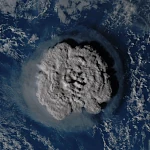 Underwater Eruptions and the Emergence of New Lands
 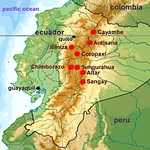 Volcanoes of Ecuador: Giants of Fire
 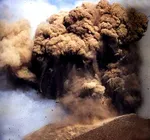 The Catastrophe of a Supervolcanic Super Eruption: Chaos and Global Consequences
 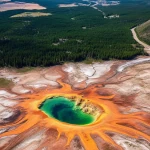 The Largest Calderas in the World: Earth's Scars
 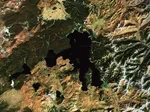 Supervolcanoes are invisible!
 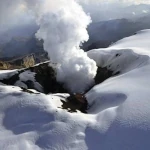 The Nevado del Ruiz volcano
 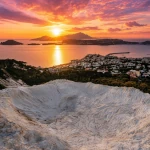 Phlegraean Fields: A volcano that really threatens Naples?
 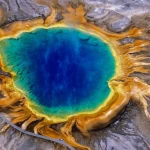 The Yellowstone Supervolcano
 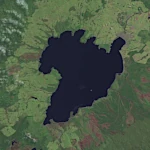 The spectacular caldera of Lake Taupo
 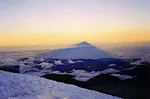 Chimborazo: The Highest Peak on the Planet!