


Nevado del Ruiz volcano
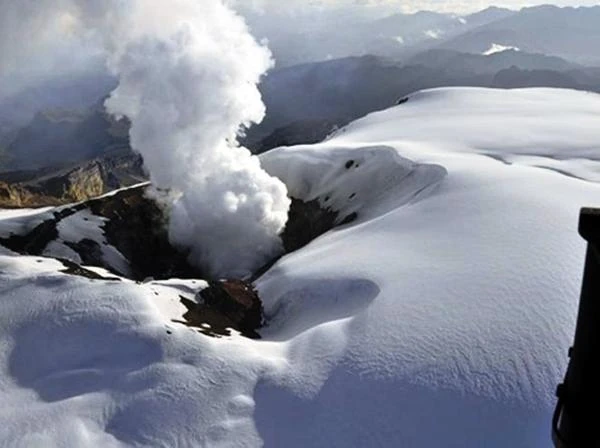
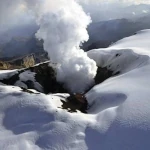
Nevado del Ruiz is a stratovolcano in the Andes Mountains, it is the second most active volcano after Galeras. Its glaciers surround the 240-meter-deep Arenas crater. Three large buildings, composed of lava have been built since the beginning of the Pleistocene. The modern cone consists of a large cluster of lava domes built into the summit caldera of the ancient volcano.
The Nevado del Ruiz volcano
Nevado del Ruiz is an active volcano located in Colombia, in the central Andes mountain range. It is considered one of the most active and dangerous volcanoes in the country. The summit of the volcano culminates at about 5,321 meters above sea level.
Nevado del Ruiz is a stratovolcano, which means it is made up of layers of ash, lava, and volcanic rock that has accumulated through eruptions. It has a summit crater and several lava domes.
The region surrounding the Nevado del Ruiz is densely populated, with several towns and villages located in the adjacent valley. Unfortunately, this human proximity has led to a tragic history of devastating eruptions.
Nevado del Ruiz's most famous eruption occurred on November 13, 1985. A massive landslide caused by rapidly melting snow and glaciers on the volcano's summit triggered a flow of mud and volcanic debris, known as lahars. These lahars descended the slopes of the volcano and devastated the city of Armero, causing thousands of victims. This disaster was one of the deadliest volcanic eruptions in history. About 23,000 people lost their lives in this devastating eruption. Most of the deaths were recorded in the town of Armero, located downstream from the volcano, where the lahars surged with destructive force, engulfing the town in a thick layer of mud and debris.
Since then, the Nevado del Ruiz has been closely watched and constantly monitored to prevent further disasters. Prevention and alert measures have been put in place, including seismographs, surveillance cameras and an early warning system for lahars.
Despite the risks it poses, Nevado del Ruiz also attracts visitors due to its natural beauty and spectacular scenery. The surrounding area offers hiking and exploration opportunities for nature and volcanology enthusiasts. However, it is important to heed the warnings and advice of local authorities to ensure safety when visiting this volcanic region.
There are about 1,500 active terrestrial volcanoes, of which around 60 erupt every year.
 Overview of European Volcanoes: From Etna to Vesuvius
  Overview of African Volcanoes: From Kilimanjaro to Nyiragongo
  Overview of North American Volcanoes: From Mount Saint Helens to Popocatépetl
 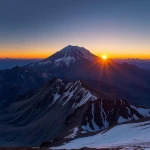 Overview of South American Volcanoes: From Aconcagua to Cotopaxi
  Overview of Asian Volcanoes: From Fuji to Krakatoa
  Overview of Oceania's Volcanoes: From Indonesia to New Zealand
  Global Overview of Volcanoes: A World Tour of Fire Giants
 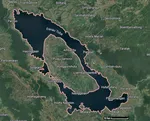 The Toba Super Eruption: Decades of Climatic Chaos
 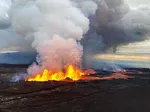 Mauna Loa is the largest volcano in the world!
 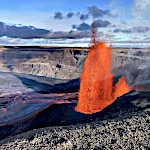 Earth's Great Volcanoes: Red Fury, Gray Silence
 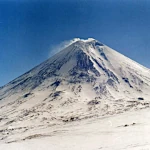 Volcanoes of Kamchatka: The Realm of Icy Volcanoes
 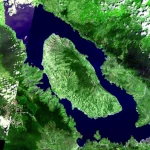 The Titans of Fire: Origin, Power, and Risks of Supervolcanoes
 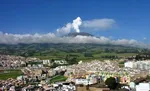 Active Volcanoes of Colombia: Between Natural Beauty and Eruptive Risks
 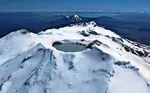 New Zealand's Volcanoes: A Natural Laboratory for Plate Tectonics
 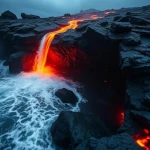 Volcanoes and the Origin of Life: When Fire and Water Spark Chemistry
 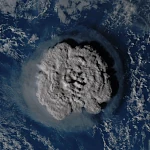 Underwater Eruptions and the Emergence of New Lands
 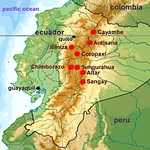 Volcanoes of Ecuador: Giants of Fire
  The Catastrophe of a Supervolcanic Super Eruption: Chaos and Global Consequences
  The Largest Calderas in the World: Earth's Scars
  Supervolcanoes are invisible!
  The Nevado del Ruiz volcano
 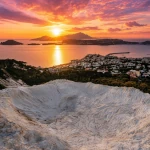 Phlegraean Fields: A volcano that really threatens Naples?
 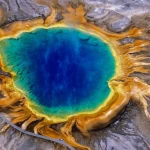 The Yellowstone Supervolcano
  The spectacular caldera of Lake Taupo
 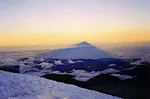 Chimborazo: The Highest Peak on the Planet!