


The moons of the solar system formed through very different processes, depending on the nature of the planet they orbit. Some were born with their planet, others were captured, and still others are the result of titanic impacts. Each moon thus bears the mark of its history and its original environment.
The composition of the planet, the dynamics of its orbit, tidal forces, and past collisions deeply influence the formation and evolution of its moons. These interactions shape their internal structure, surface, geological activity, and sometimes even the presence of subsurface oceans, as on Europa or Enceladus.
Studying moons is like traveling back in time. They preserve precious clues about the conditions that prevailed during the birth of the solar system. Their diversity—from small icy bodies to volcanic worlds like Io—offers a unique panorama of the physical and chemical processes at work in our cosmic neighborhood.
There are articles on this page
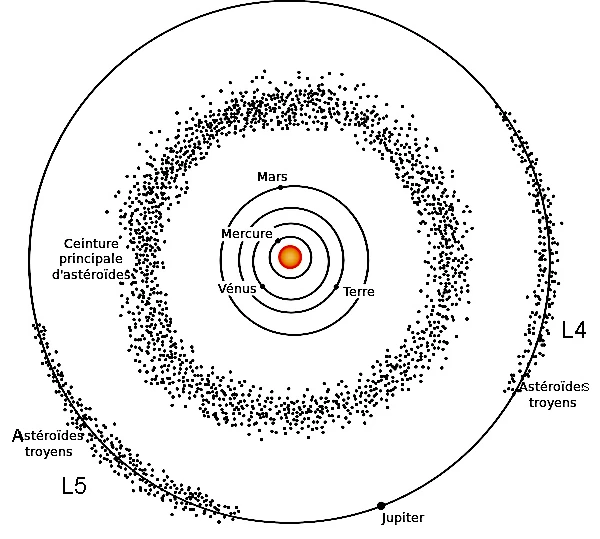 Do Natural Satellites of Natural Satellites Exist?
  Phobos and Deimos: Mars’ Mysterious Companions
 The Moons of Jupiter: A Celestial Archipelago of Over 90 Diverse Worlds
 Saturn's Moons: Icy Worlds and Hidden Oceans
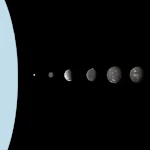 Uranus' Moons: An Inclined Ballet
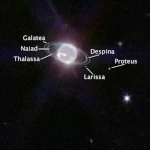 The Moons of Neptune: A Procession of Ice and Mystery
  If the Moon Did Not Exist: Impacts on Earth and Life
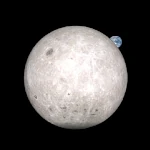 The Far Side of the Moon: The Hidden Half Revealed
 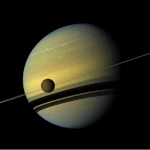 Tidal Effects in the Solar System
 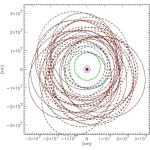 Moons in the Shadow: Jupiter's Most Discreet Satellites
 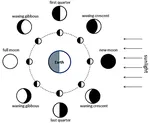 Moon Phases
 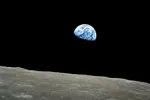 Apollo 8: The Photo That Shook the World
 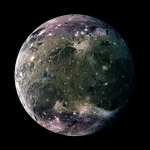 The largest objects in the solar system
 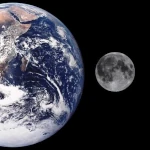 The Origin of the Moon: The Giant Impact Hypothesis
 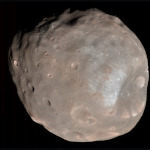 Phobos Facing Its Destiny: Collision or Breakup
 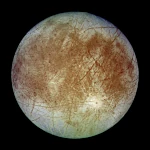 Europa: An Icy Jewel in Jupiter's Orbit
 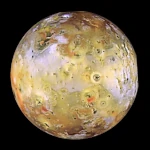 Io, Jupiter’s Moon: A World in Turmoil for 4.5 Billion Years
 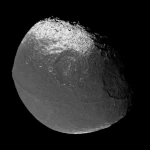 Iapetus: The Two-Faced Moon, Saturn's Icy Gem
 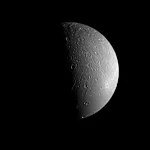 Dione: Saturn's Icy Moon with Buried Secrets and Frozen Landscapes
 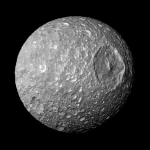 Mimas: The Moon with the Giant Crater, Saturn's Icy Sentinel
  The Origins of the Moon: From Chaos to Formation
 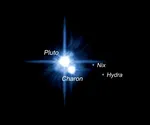 Pluto and its satellites
 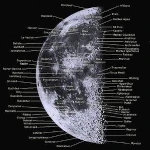 Craters of the Moon: Witnesses of the Solar System's History
 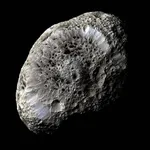 Hyperion, moon of Saturn
 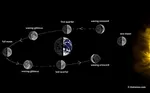 Eclipses explained by the plane of the lunar orbit
 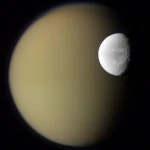 Titan and Dione: Saturn's Icy Sisters
 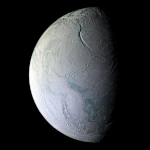 Enceladus: The Ocean Hidden Beneath the Ice
 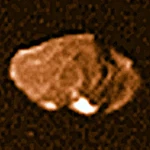 Amalthea: A Dusty Red World at the Heart of Jupiter's Rings
 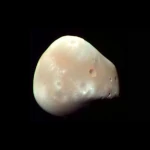 Deimos: Mars' Tiny and Mysterious Moon
 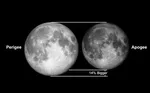 Moon Illusion
 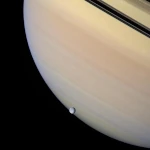 Rhea and Saturn’s Rings: Orbital Dynamics
 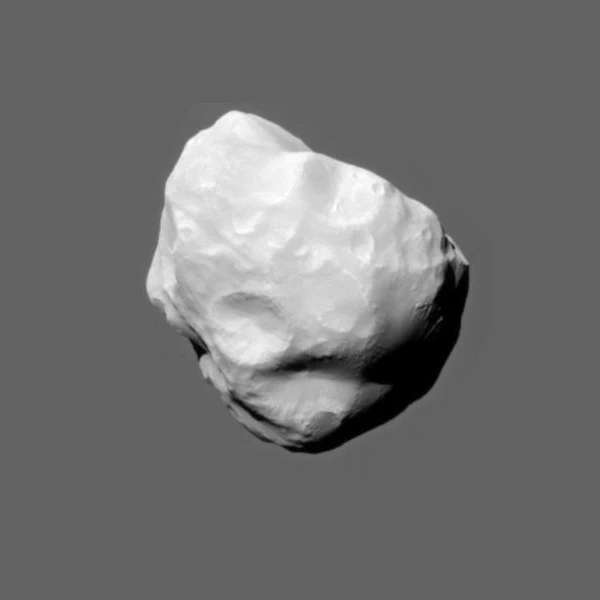 Helen, the small Trojan moon of Saturn
 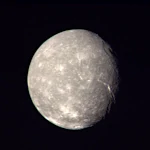 Titania: What Space Probes Revealed to Us About Saturn's Moon
  The Blue Moon
 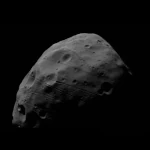 Phobos: The Doomed Satellite of Mars
 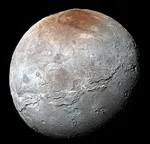 Charon and Pluto: An Inseparable Duo
 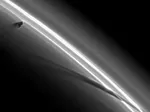 Roche Limit or Roche Radius
 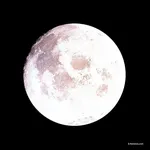 When the Moon Becomes Giant: The Supermoon Phenomenon
 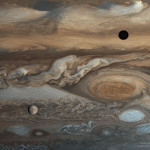 The Satellite Worlds of the Solar System: Hidden Oceans, Ice Volcanoes, and Fleeting Atmospheres
 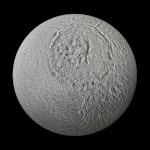 Tethys: a silent world frozen in ice
 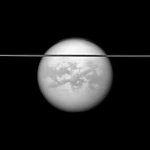 Titan: a hazy world potentially favorable to prebiotic life?
 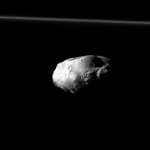 The Dance of Prometheus: Between Light and Shadow
 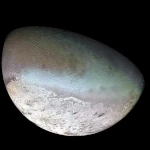 Triton, Neptune’s Rebellious Moon: A Gravitational Capture
 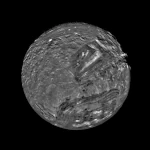 Miranda: Uranus' Moon of a Thousand Scars
 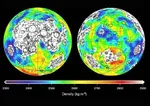 Mascons: Lunar Gravitational Anomalies